Preventing Mould in Rental Properties: A Shared Responsibility for Landlords and Tenants
Mould is one of the most common issues affecting rental properties and, if left unaddressed, can cause damage to buildings and pose serious health risks to occupants. Preventing mould in rental properties requires a proactive, shared approach between property owners, managing agents, and tenants.
Understanding why mould forms and how it can be prevented is essential to maintaining safe, compliant, and comfortable homes.
Why Mould Develops in Rental Properties
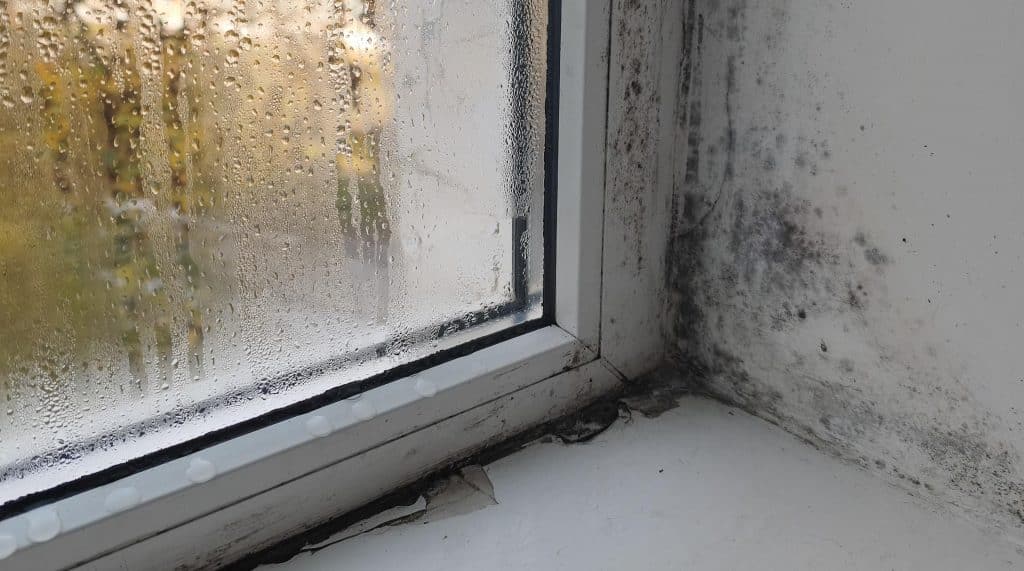
Mould is caused by excess moisture. In most rental homes, this moisture comes from everyday activities such as cooking, showering, drying clothes indoors, and inadequate ventilation. When warm, moist air comes into contact with cold surfaces, condensation forms, creating ideal conditions for mould growth.
Other contributing factors may include:
- Poor ventilation or blocked air vents
- Inadequate heating
- Structural issues such as leaks or defective insulation
- High occupancy levels
Identifying the cause early is key to preventing mould from becoming an ongoing problem.
The Importance of Early Action
Mould should never be ignored. Even small patches can spread quickly and become more difficult and costly to resolve. From a health perspective, mould can aggravate respiratory conditions, allergies, and asthma, particularly for children and vulnerable occupants.
Early reporting, prompt investigation, and clear communication are essential to preventing minor issues from escalating.

Responsibilities of Property Owners
Property owners have a legal duty to provide homes that are safe, habitable, and free from serious hazards. Preventing mould in rental properties starts with ensuring the building itself does not contribute to excess moisture.
Landlords should:
- Ensure the property is wind and watertight
- Repair leaks promptly, including roofs, pipework, and gutters
- Provide effective ventilation, such as extractor fans in kitchens and bathrooms
- Ensure heating systems are safe and capable of maintaining reasonable indoor temperatures
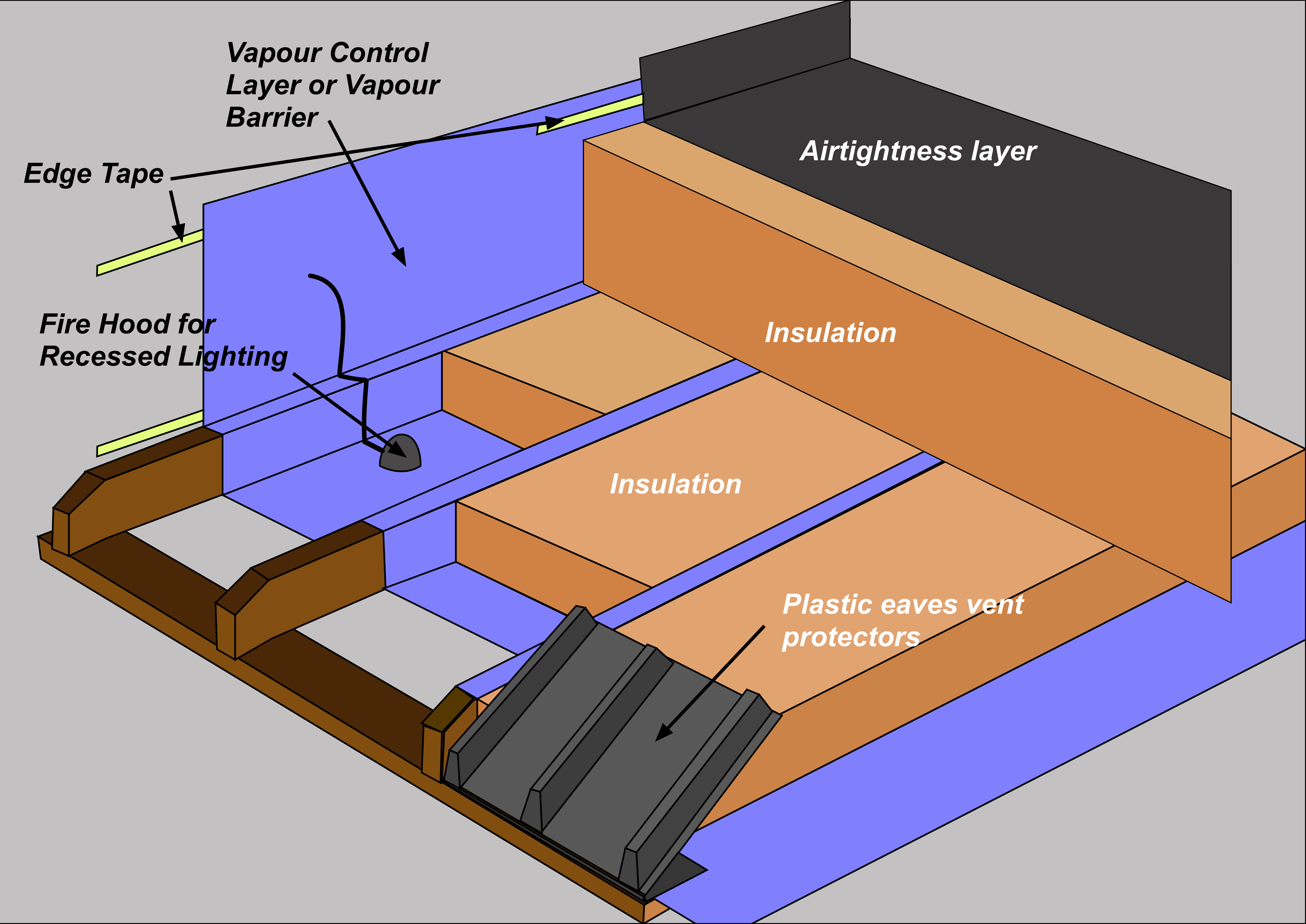
- Address insulation issues that may cause cold surfaces and condensation
Regular inspections and planned maintenance play an important role in identifying potential problems before mould develops.
Responsibilities of Tenants
Tenants also play a vital role in preventing mould in rental properties. Day-to-day living habits can significantly affect moisture levels within the home.
Tenants are encouraged to:
- Ventilate the property regularly by opening windows where safe to do so
- Use extractor fans when cooking or showering
- Keep lids on pans when cooking
- Avoid drying clothes indoors where possible, or ventilate well if unavoidable
- Heat the property consistently to reduce condensation
- Report signs of mould, damp, or leaks as soon as they appear
Prompt reporting allows issues to be investigated early and helps protect both the property and the tenant’s health.
Managing Condensation Effectively
Condensation is the most common cause of mould in rental homes. Managing it requires a combination of adequate heating, ventilation, and sensible use of the property.
Simple steps such as wiping condensation from windows, keeping trickle vents open, and maintaining a steady background temperature can make a significant difference.
When Mould Is Reported
When mould is reported, it is important that it is taken seriously. The cause must be investigated to determine whether it is related to lifestyle, ventilation, or a building defect.
Effective management includes:
- Inspecting the affected areas
- Identifying and addressing the source of moisture
- Carrying out repairs or improvements where required
- Providing clear guidance to tenants on preventing recurrence
Treating visible mould without addressing the underlying cause will only provide a temporary solution.
A Collaborative Approach
Preventing mould in rental properties is most effective when landlords and tenants work together. Clear communication, early reporting, and prompt action help maintain healthy homes and reduce the risk of disputes.
By understanding their respective responsibilities and taking proactive steps, both parties can help prevent mould, protect health, and preserve the condition of the property.
Final Thoughts
Mould prevention is not about blame, but about awareness and cooperation. With the right building standards, sensible daily habits, and open communication, mould in rental properties can be significantly reduced or avoided altogether.
Expert Property Management Across Wales
Let Property Management Wales handle your landlord obligations — compliance, tenant management, rent collection and more.