Property Management Wales
Trusted
Property
Experts
Letting agent services in Connah’s Quay Town mean finding reliable tenants for your terraces or semis, handling the paperwork that satisfies Welsh tenancy law, managing rent collection, and dealing with maintenance calls when your boiler fails mid-winter. We advertise your property on the channels local renters actually use, run references and affordability checks, and handle the relationship between you and your tenants so disputes don’t escalate. For landlords here managing one or two properties alongside other commitments, this removes the friction of coordinating repairs, chasing late payments, and navigating the requirements landlords must meet under Welsh housing standards.

Sale Properties
Property values in Connah’s Quay Town remain accessible compared to wider North Wales, making it an attractive area for landlord investors looking to build a portfolio without overextending capital. Turnover is steady rather than rapid, giving you time to identify good tenants and build long-term rental income from a property that holds its value without requiring significant renovation.

Rent Properties
Tenants in Connah’s Quay Town are typically working adults and small families seeking stable, affordable homes close to employment in manufacturing, logistics, and public services. Rental demand is consistent throughout the year with low seasonal fluctuation; people move for jobs, life changes, or relocations within the North Wales corridor rather than tourism or study cycles. As a landlord here, you’ll find that tenant retention is generally good if the property is well-maintained and the rent is fairly pitched against the local market.


Search Properties
Identifying investment property in Connah’s Quay Town means understanding which streets hold their rental appeal, what condition a Victorian terrace or 1970s semi needs to meet before letting, and what rent you can realistically charge. PMW knows which roads attract long-term tenants, how local employment patterns affect demand for specific property types, and what upgrades actually matter to renters in this area rather than what simply adds cost.
Our Properties
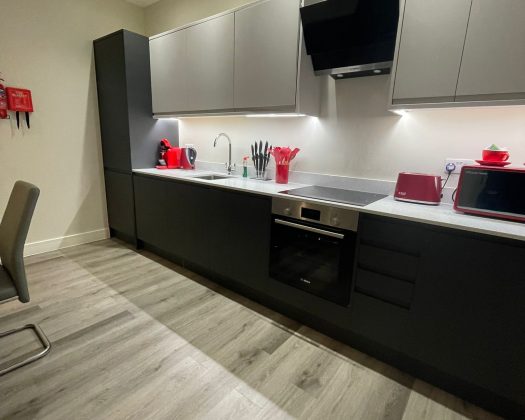
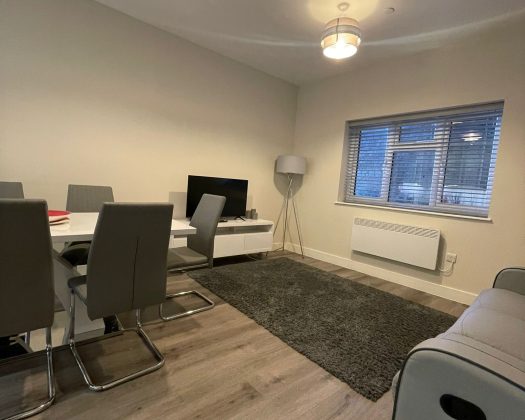
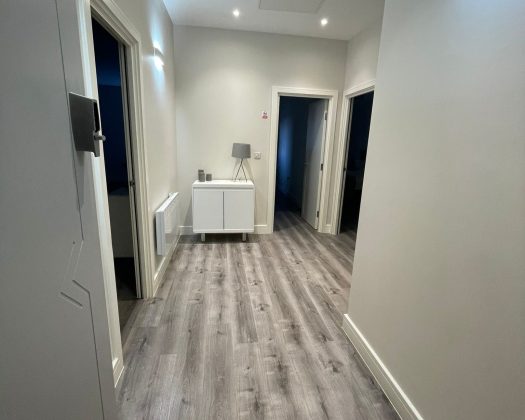
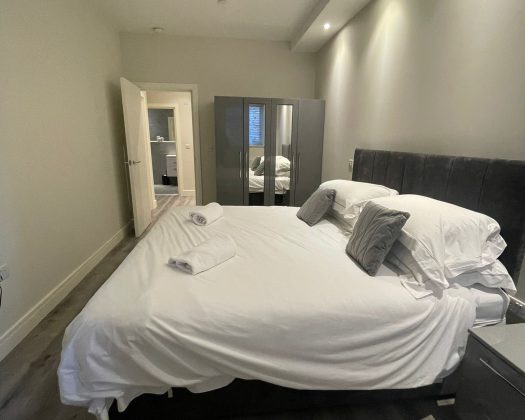


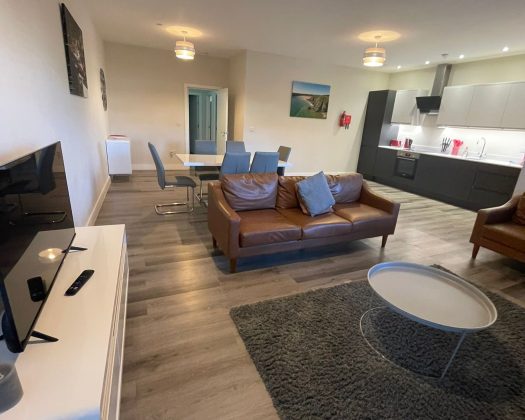
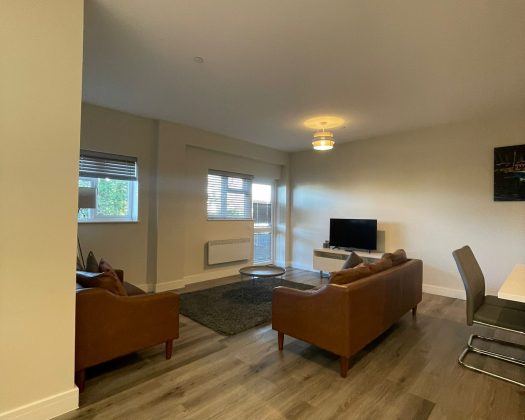
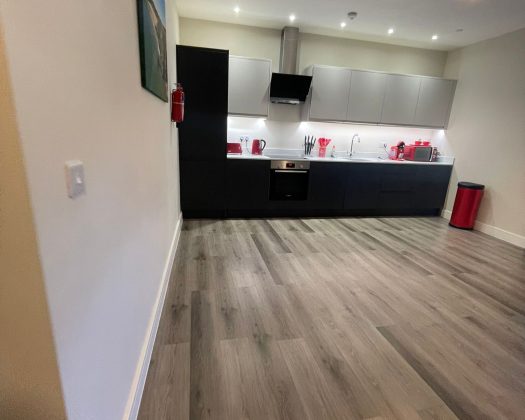
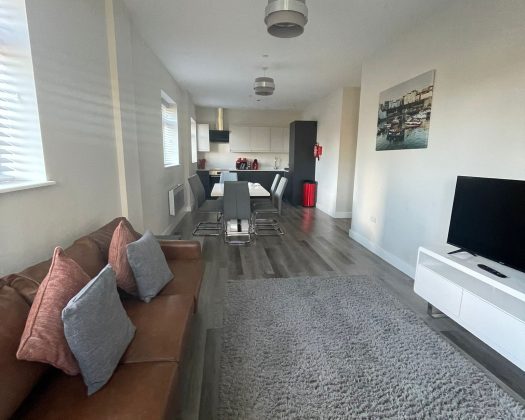
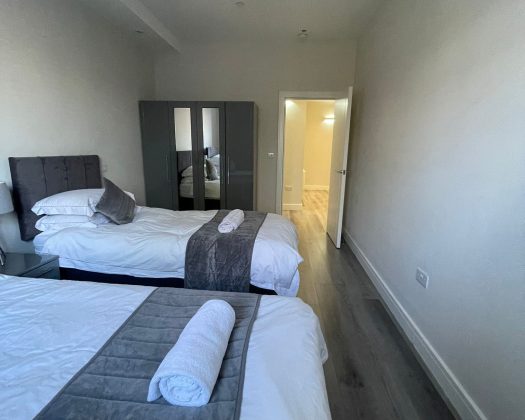
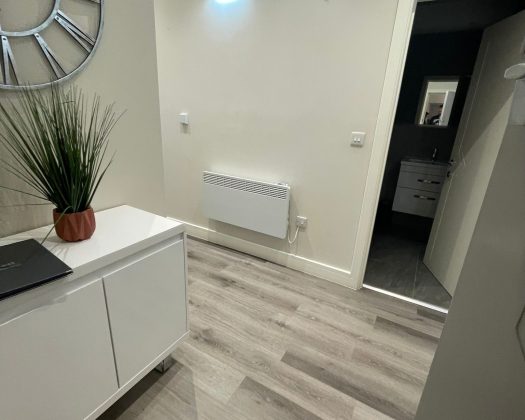
Helping You Find the Right Property
with Property Management Wales
Why Choose Us
Client
Testimonials
Get to Know the
PMW Team
Learn More About
Property Management Wales
Easy Property Management & Lettings
Lettings,
Management,
Support
If you’re planning to let property in Connah’s Quay Town, clarify from the start whether you want hands-on involvement or complete delegation; PMW can manage the entire tenancy or just specific tasks depending on your preference. Understand your local rental market—what a two-bed terrace commands here differs from nearby areas, and PMW’s pricing reflects that reality. Check that your property meets current Welsh housing standards before listing; older stock may need minor upgrades, and this investment pays dividends in faster lettings and fewer complaints.
Local knowledge of Connah’s Quay Town matters because rental demand here is driven by employment patterns, not transience or tourism—understanding where tenants work, how they commute, and what they value in a rental home shapes how we market and manage properties. The prevalence of Victorian and inter-war terraces means understanding common maintenance issues in older stock, local authority quirks around grants and standards, and which properties genuinely appeal to the working families and professionals who rent here. PMW’s experience across Connah’s Quay Town’s varied neighbourhoods means we pitch rents accurately, avoid overpricing properties that would sit empty, and match tenants to homes where they’ll stay longer.
Once your tenancy is active, PMW handles rent collection via standing order, coordinates repairs with local contractors, responds to maintenance emergencies, and manages the admin of tenancy renewals and references. You receive regular updates on your property’s status and financial performance, and we’re available to discuss any concerns affecting your investment without the delays of working through an online portal or automated system.