Property Management Wales
Trusted
Property
Experts
Leasehold management in Tylorstown means taking on the day-to-day administration that freehold or head-leaseholder arrangements demand: collecting ground rents and service charges from individual leaseholders, managing building insurance and structural repairs to shared elements, keeping proper records, and handling disputes over maintenance costs or access rights. In a community where many terraces are subdivided into flats or where multiple properties share walls and roofs, this coordination becomes essential—especially when leaseholders disagree on priorities or budget for repairs. We manage the compliance paperwork, statutory demands, and the relationship between freeholders, leaseholders, and tenants to ensure nobody loses sight of their legal obligations.

Sale Properties
Tylorstown’s property market reflects the Rhondda’s character: period terraces and converted flats tend to move steadily rather than volatilely, with prices attractive to first-time buyers, investors seeking rental returns, and families looking for space outside larger urban centres. Leasehold properties here—whether ground-floor flats in converted Victorian houses or units in purpose-built blocks—appeal to landlords and owner-occupiers alike, though buyers increasingly scrutinize lease length and ground-rent terms before committing.

Rent Properties
Rental demand in Tylorstown comes primarily from working families, young professionals, and people relocating for employment in the wider Rhondda valley and beyond; the area does not experience heavy student or seasonal-worker influx. Landlords here typically manage single-let terraced properties or flats within converted period housing, with tenancy lengths reflecting the stability of the local workforce rather than high turnover. The challenge for leasehold landlords is balancing rental income against service charges and ground rents—margins can be tight if those costs are not carefully monitored.



Search Properties
Finding investment property in Tylorstown means understanding the distinction between freehold terraces (less common, higher capital cost) and leasehold flats or subdivided units (more plentiful, often with lower entry prices). Due diligence here requires checking lease length, ground-rent inflation clauses, and any outstanding disputes between freeholders and leaseholders—issues that directly affect your management costs and property value. Local knowledge of which roads and terraces command steady demand and which face maintenance liabilities will shape whether a purchase makes sense as a leasehold investment.
Our Properties
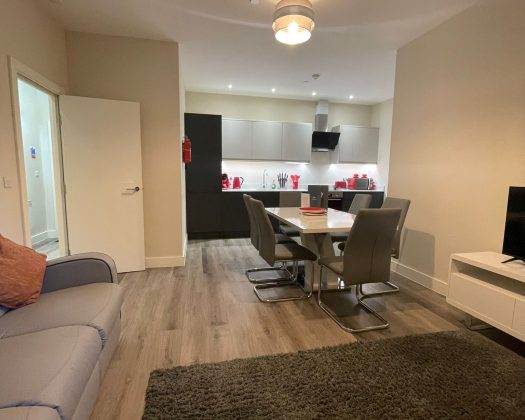
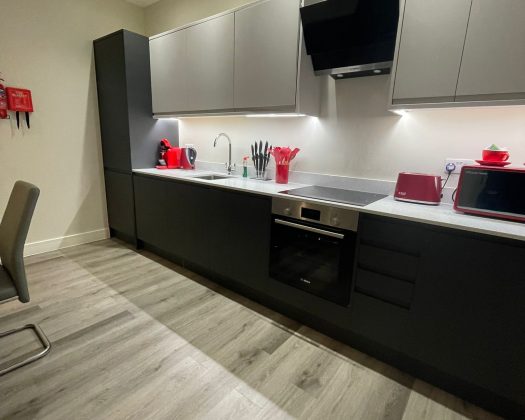
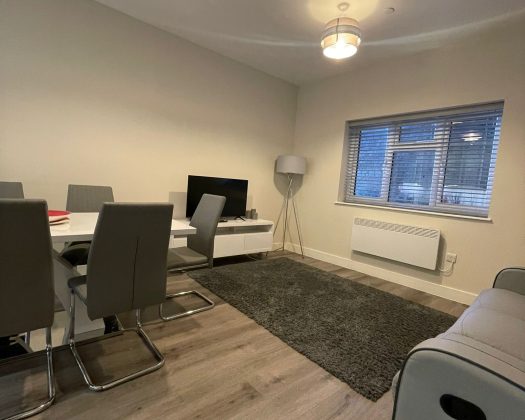
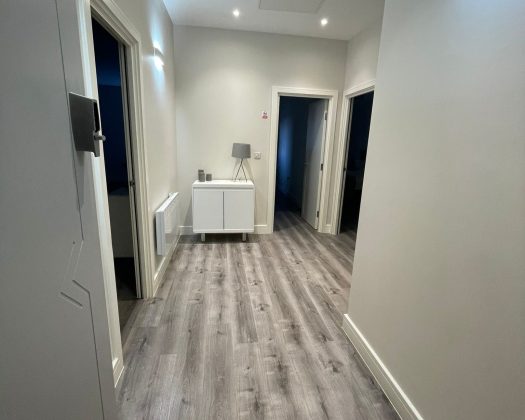
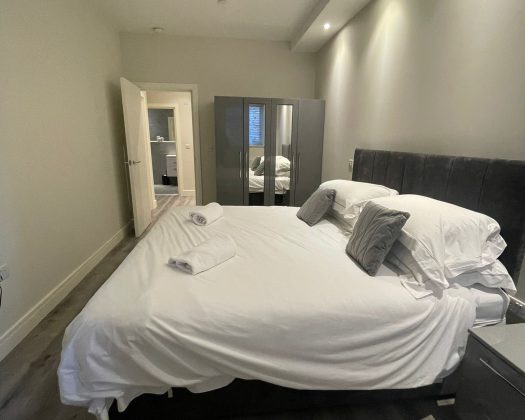
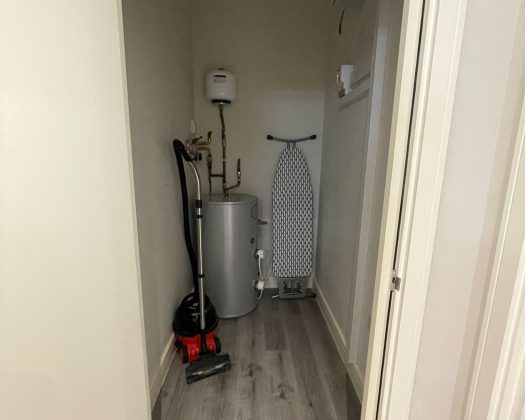


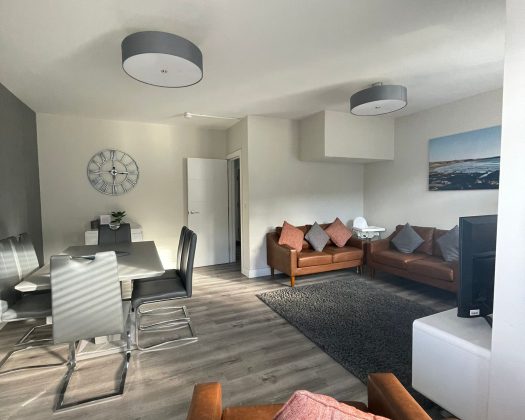
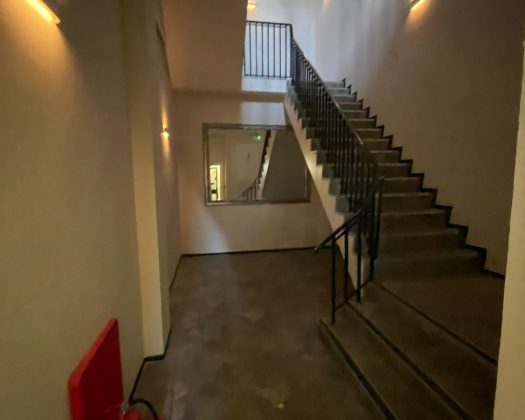
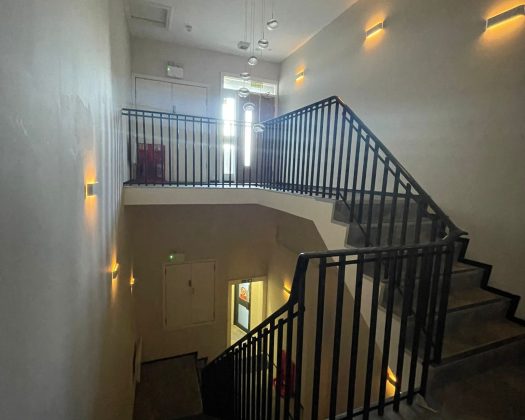
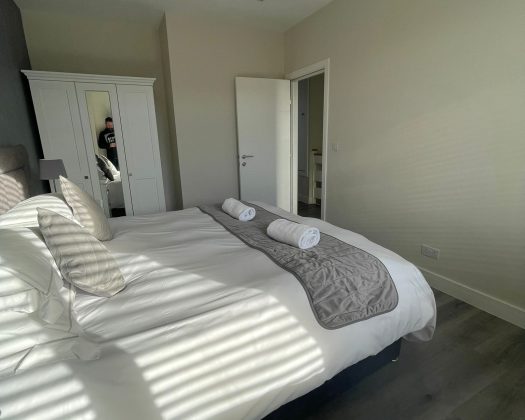
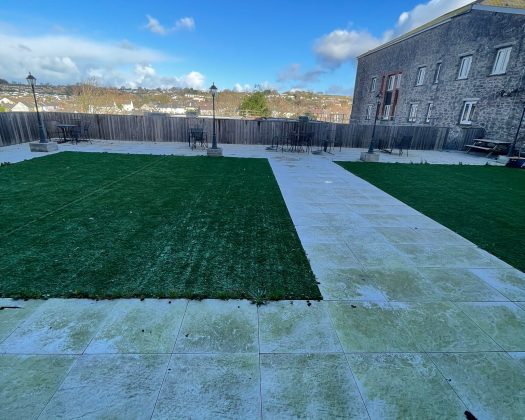
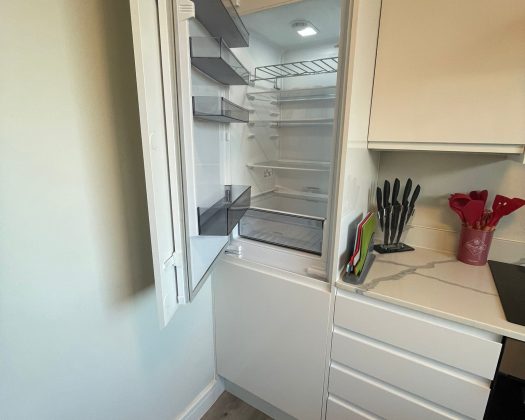
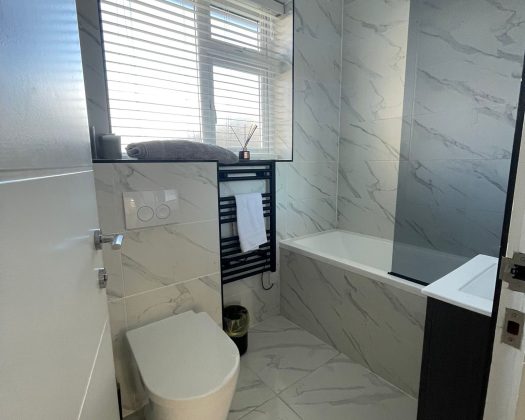
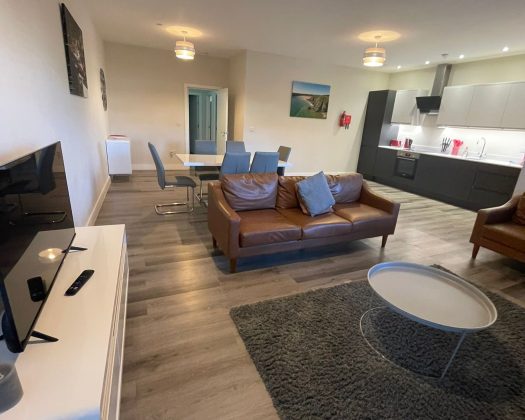
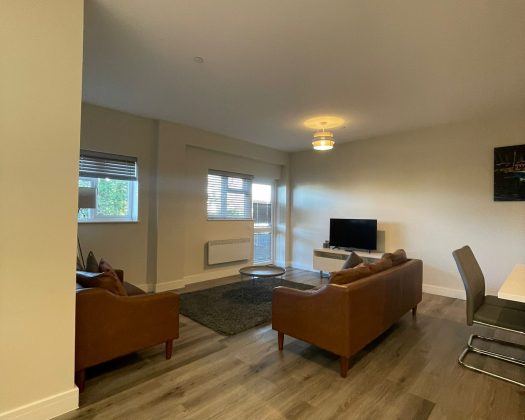
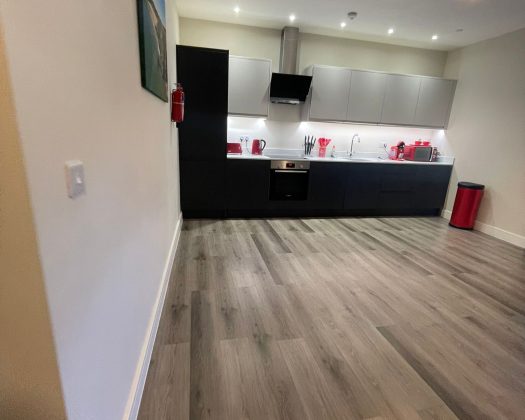
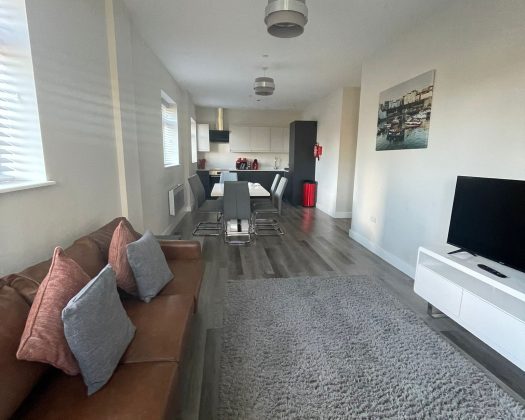
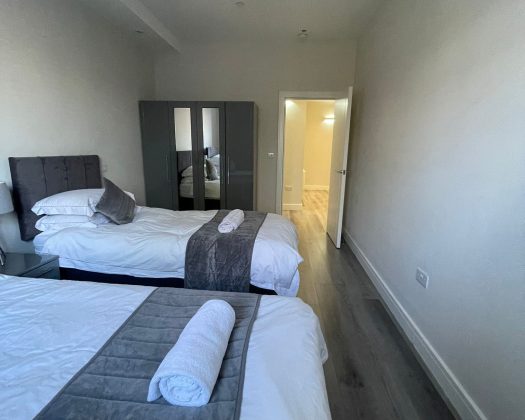
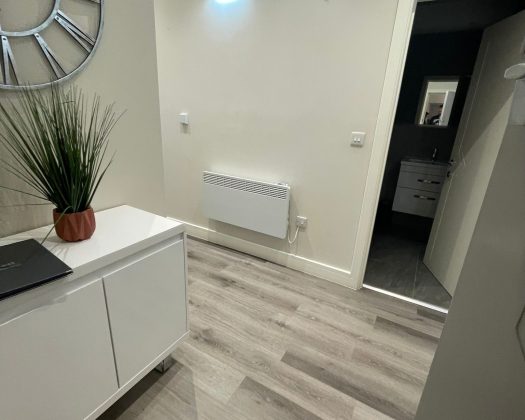
Helping You Find the Right Property
with Property Management Wales
Why Choose Us
Client
Testimonials
Get to Know the
PMW Team
Learn More About
Property Management Wales
Easy Property Management & Lettings
Lettings,
Management,
Support
Before taking on leasehold properties in Tylorstown, clarify who holds the freehold and what ground-rent and service-charge obligations attach to the lease; a short lease or inflating ground rent can erode returns quickly. Understand the local authority’s approach to enforcement of leasehold standards and any pending regeneration plans that might affect property values or tenant demand. Ensure your management service includes regular communication with leaseholders about upcoming costs—transparency here prevents resentment and disputes in tight-knit communities where neighbours see one another regularly. Budget realistically for the maintenance of period stock; Tylorstown’s Victorian and Edwardian buildings often require more structural care than modern properties.
Leasehold management in Tylorstown demands familiarity with the particular challenges of period housing: understanding how Victorian terraces age, what shared-wall issues commonly arise, and how ground-rent agreements historically drafted in this area function in practice. We know which freeholders in the locality are responsive to disputes and which require formal intervention, where local surveyors and contractors price competitively for terraced property work, and how the community’s stability and lower turnover affect both tenant selection and the tenor of landlord-leaseholder relations. That embedded knowledge ensures we spot problems early and manage service charges and maintenance programmes without wasting time or money on avoidable misunderstandings.
We manage your leasehold properties day-to-day: collecting ground rents and service charges, arranging buildings insurance and repairs to shared elements, handling compliance paperwork, and communicating directly with your leaseholders and any managing agents or freeholders involved. You receive regular statements and access to up-to-date records so you always know the financial and legal standing of your leasehold interests; when disputes or maintenance emergencies arise, we coordinate the response and shield you from the administration burden.