Property Management Wales
Trusted
Property
Experts
Leasehold management services cover the day-to-day administration of leasehold properties in Gronant: collecting service charges from leaseholders, maintaining buildings and common areas, managing contractors, handling lease compliance, and ensuring freeholders meet their legal duties. In a locality where terraced properties have been divided into flats and where older stock demands regular upkeep, this work includes budgeting for repairs, organising maintenance schedules, and keeping detailed records. We handle the paperwork, the inspections, the contractor liaison, and the regulatory compliance so that freeholders and property owners can focus on the investment side of their holdings.

Sale Properties
Leasehold properties in Gronant—particularly converted Victorian terraces and purpose-built flat blocks—remain attractive to investors seeking rental income in a stable suburban market close to Prestatyn’s amenities. Property values reflect the area’s residential character and proximity to coastal attractions, making leasehold flats a practical entry point for portfolio builders. Freeholders and long-leaseholders benefit from rising asset values when buildings are well-maintained and managed.

Rent Properties
Rental demand in Gronant comes from families seeking affordable suburban housing, professionals working across the Prestatyn area, and seasonal workers attracted to North Wales’ hospitality and leisure sectors. Landlords renting leasehold flats here face tenant diversity—steady long-term residents alongside shorter-term lets—and must navigate service charge transparency and lease compliance issues that affect both rental income and property value. Managing leasehold properties with tenants inside them requires clear communication between freeholder, leaseholder, and tenant about responsibilities and costs.



Search Properties
Finding leasehold investment property in Gronant means identifying well-maintained converted properties and purpose-built blocks where service charges are transparent and freeholder obligations are clear. Assessing a leasehold purchase here involves checking building condition, understanding the service charge history, and verifying that the management structure is sound—factors that directly affect rental yield and long-term value.
Our Properties


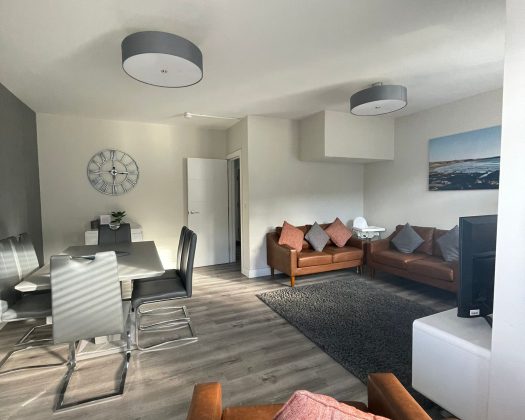
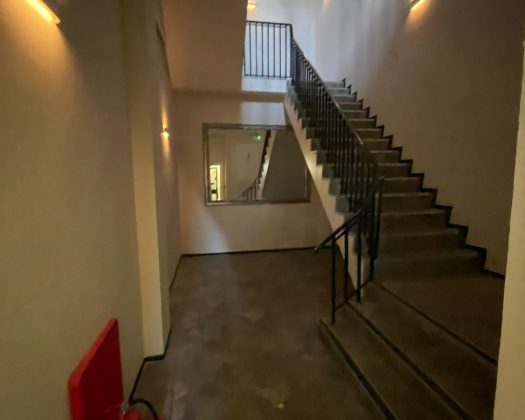
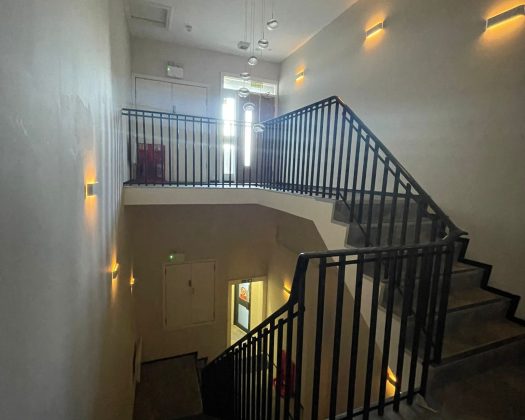
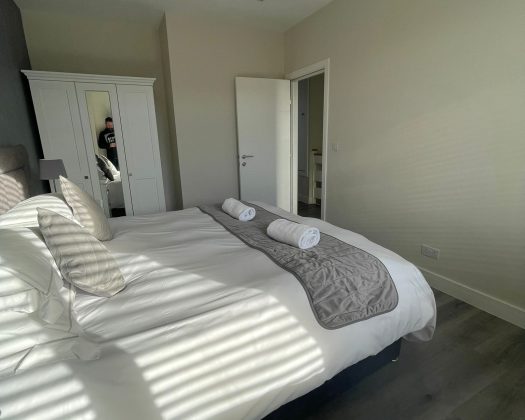
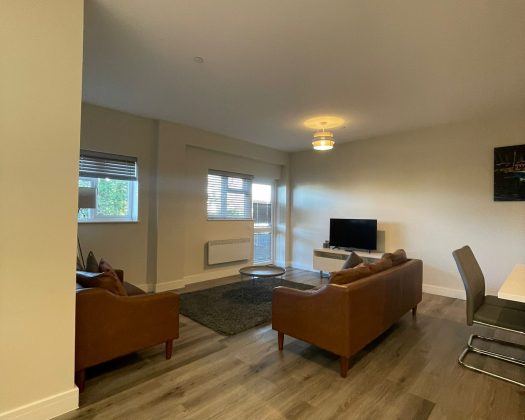
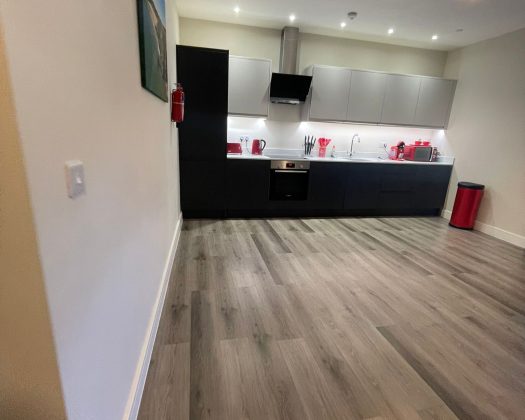
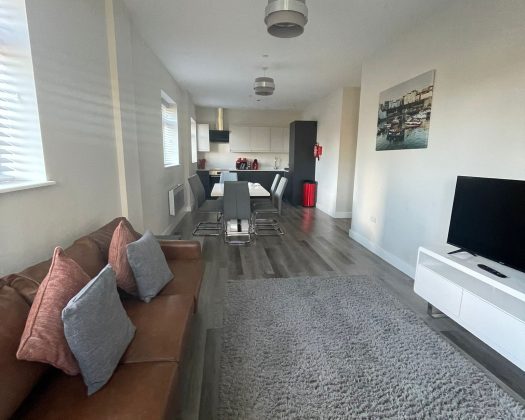
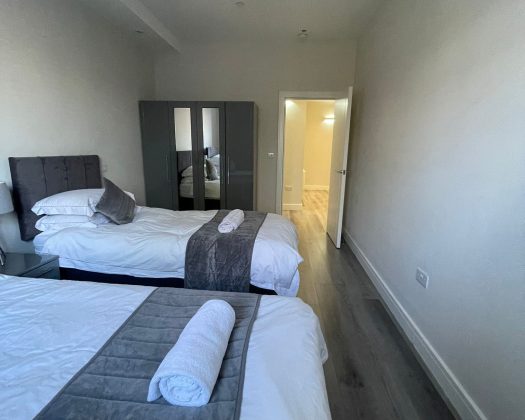
Helping You Find the Right Property
with Property Management Wales
Why Choose Us
Client
Testimonials
Get to Know the
PMW Team
Learn More About
Property Management Wales
Easy Property Management & Lettings
Lettings,
Management,
Support
If you own leasehold properties in Gronant, treat leasehold management as a specialised function separate from lettings or general landlordry. Service charge administration, building compliance, and leaseholder communication require systems and local knowledge that reward professional handling—particularly in properties where Victorian construction, conversion history, or age creates ongoing maintenance demands. Starting with a clear audit of your current management (or lack of it) helps identify where gaps exist and what a structured service can deliver.
Managing leasehold properties across Gronant’s mixed stock—from terraced conversions to purpose-built blocks—requires understanding how older buildings behave, what service charges realistically cost in a North Wales context, and how Welsh leasehold law applies to freeholders and managing agents. Local experience means knowing which contractors deliver reliable work here, understanding seasonal demand patterns that affect tenant turnover, and recognising how property condition and age affect service charge sustainability. This isn’t generic property administration; it’s Gronant-specific building knowledge applied to leasehold duty.
Property Management Wales provides ongoing leasehold management for Gronant properties: regular building inspections, service charge collection and accounting, contractor management, leaseholder communication, compliance reporting, and freeholder advice. We maintain detailed records, respond to maintenance issues promptly, and keep you informed about your property’s condition and financial standing. Your role shifts from day-to-day admin to strategic oversight—knowing your asset is being managed to standard.