Property Management Wales
Trusted
Property
Experts
Block management in Swansea covers everything from collecting service charges and coordinating maintenance on shared areas—staircases, communal gardens, roofs, and external fabric—to managing health and safety compliance and handling disputes between leaseholders or between residents and landlords. In converted Victorian properties especially, you’ll need someone who understands the particular issues these buildings face: aging electrics, water ingress, structural settlement, and the need to balance period character with modern safety standards. We also handle landlord-tenant relations on your behalf, chase arrears, arrange contractors, and keep detailed records so you’re never caught short when questions arise.

Sale Properties
Swansea’s property market has seen steady interest from investors drawn to the city’s regeneration, lower entry prices compared to Cardiff, and the appeal of Swansea Bay developments. Freeholders and leaseholders looking to sell or refinance benefit from clear management records, well-maintained common areas, and proof of professional administration—all factors that boost buyer confidence and property value.

Rent Properties
Demand for rental property in Swansea comes from Swansea University students, NHS staff and healthcare workers, young professionals in the growing tech and creative sectors, and families priced out of more expensive Welsh areas. Seasonal tourism and holiday lets create additional pressure in bay-side properties, while HMO concentrations in areas like Uplands mean landlords must navigate stricter licensing rules and higher turnover. Tenants expect responsive management, safe communal spaces, and clear communication—standards we maintain as standard practice.



Search Properties
Finding investment property in Swansea means understanding which streets and postcodes attract students, professionals, or families; which buildings command higher rents; and which are prone to costly maintenance issues. Local knowledge of school catchments, transport links, proximity to the university, and the shifting character of different neighbourhoods helps identify both opportunities and potential pitfalls in what you’re buying into.
Our Properties


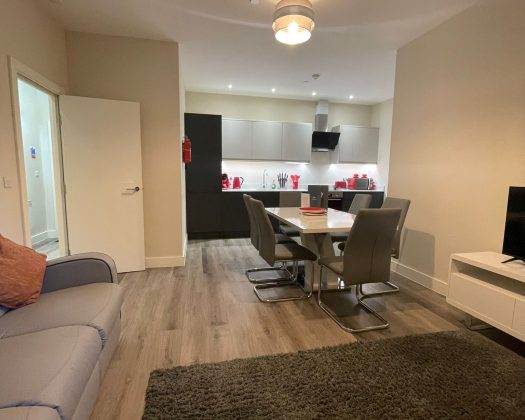
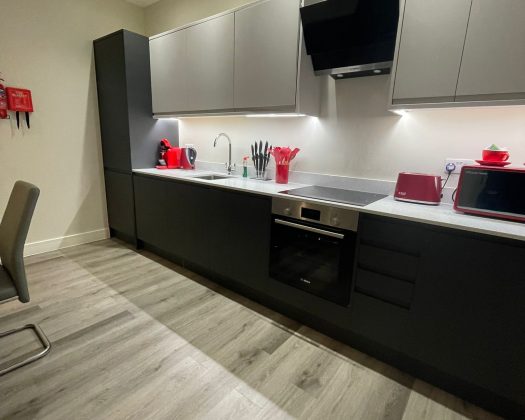
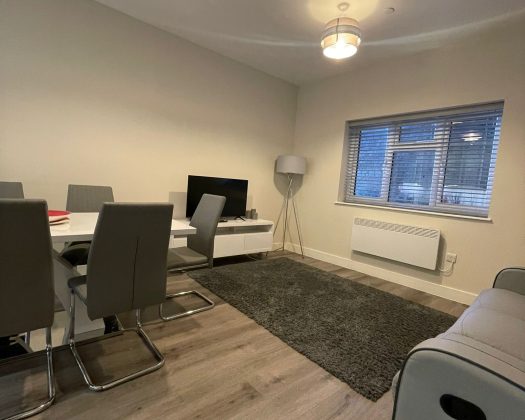


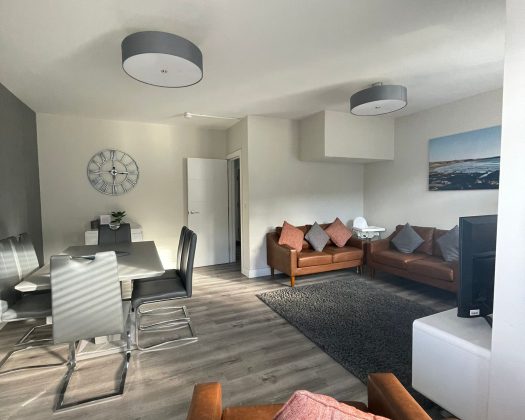
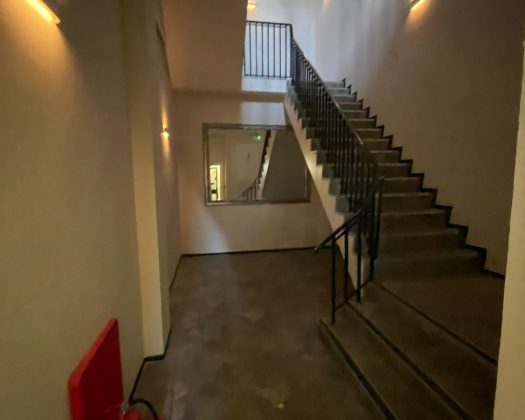
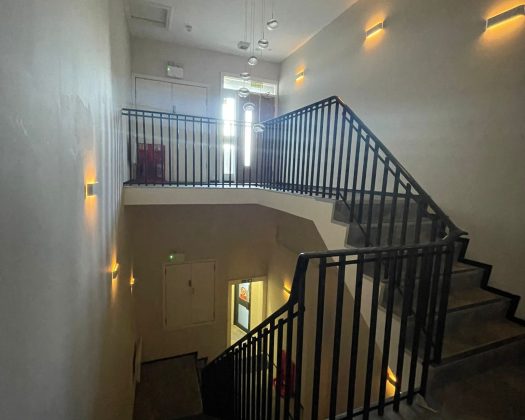
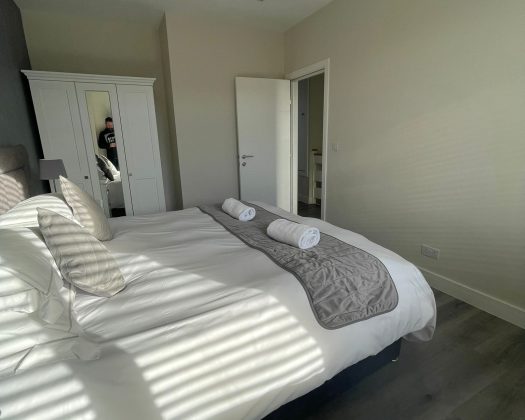
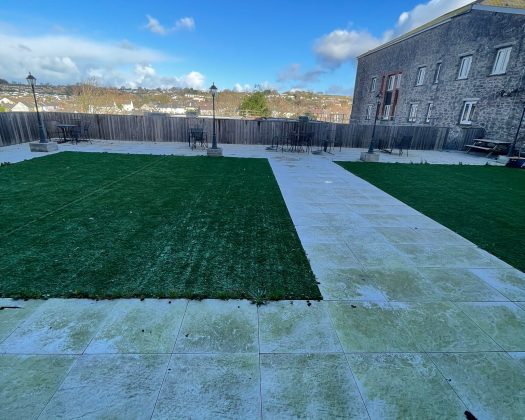
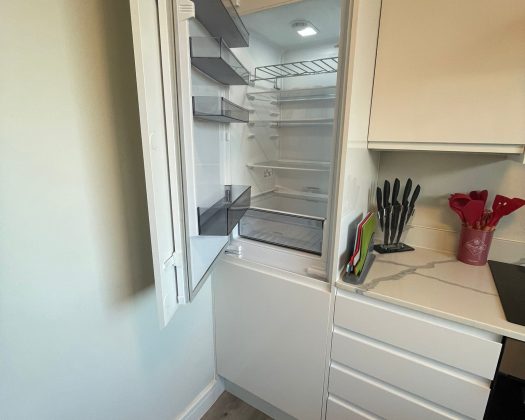
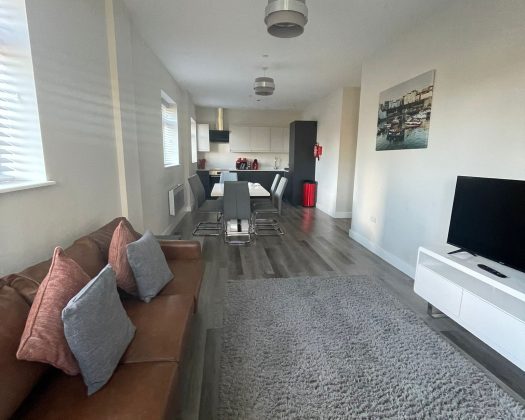
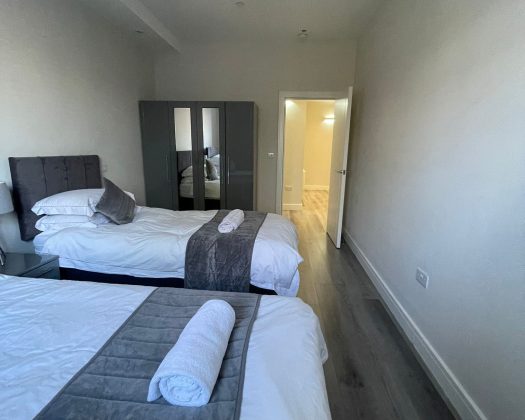


Helping You Find the Right Property
with Property Management Wales
Why Choose Us
Client
Testimonials
Get to Know the
PMW Team
Learn More About
Property Management Wales
Easy Property Management & Lettings
Lettings,
Management,
Support
If you own a flat or a share in a Swansea block, or you’re a landlord with tenants in a managed building, check whether your block currently has formal management in place—many older Victorian conversions still operate on ad-hoc arrangements or informal cost-sharing, which creates friction and leaves you exposed. Service charges should be transparent, compliant with the Commonhold and Leasehold Reform Act 2002, and backed by proper invoicing and accounts; if those aren’t happening now, it’s worth formalising the arrangement. Before committing to block management, clarify what services are included, how costs are divided among leaseholders, and what happens if disputes arise between residents.
Managing blocks in Swansea means knowing the specific risks and quirks of our housing stock: the insurance and maintenance demands of period properties, the student tenancy churn in certain postcodes, the leasehold law complexities that apply to converted flats, and the way Welsh regulations interact with English leasehold precedent. We also understand local authority relationships, building control expectations in Swansea, and how to handle issues like anti-social behaviour in student areas or the environmental challenges facing older seafront properties. That knowledge shapes how we budget, plan maintenance, and resolve problems in ways that generic or out-of-area managers simply cannot match.
We provide block management on an ongoing basis: monthly or quarterly charge collection, contractor liaison, repairs coordination, compliance certification, resident communication, and full accounting records. You receive regular statements and can access information about your building’s condition and costs whenever you need it; you’re never left wondering what’s happening or why charges have changed.